
From Biochemistry to the
Kiwi Kitchen Table
We bridge the gap between complex nutritional biochemistry and practical, budget-friendly family meals. Discover the truth about isoflavones, master the art of traditional fermentation, and explore the environmental reality of soy in Aotearoa.

The Intersection of Science, Sustainability, and Sustenance
In the landscape of modern nutrition, few ingredients are as polarized, misunderstood, and yet potentially transformative as the humble soybean (Glycine max). At Soy Online Service NZ, our mission is not merely to advocate, but to educate with rigorous precision. We exist to dismantle the hyperbole surrounding soy consumption—cutting through both the miraculous claims and the unfounded fear-mongering—to present a data-driven reality tailored specifically for the New Zealand context.
For decades, Kiwis have navigated a confusing marketplace. On one shelf, we see traditional fermented foods celebrated for longevity; on the other, we hear alarming anecdotes about endocrine disruption. The truth, as always, lies in the nuance of biochemistry. It is found in understanding the difference between whole bean processing and isolate extraction. It is found in analyzing the distinct molecular structures of phytoestrogens compared to mammalian estrogen. It is found in the soil health of our local agriculture.
We believe that knowledge is the primary ingredient in a healthy diet. Whether you are investigating the evidence-based review of thyroid function or simply looking for a way to feed a family of four nutritious, protein-rich meals on a tight budget, this platform serves as your comprehensive dossier. We analyze global research through a local lens, comparing the carbon footprint of soy imports against domestic dairy farming, and providing actionable culinary guidance that fits the Kiwi lifestyle.
From the molecular interactions of phytic acid and lectins to the Sunday roast alternative, we are redefining how New Zealand understands plant-based protein. This is not just a recipe blog; it is a repository of nutritional biochemistry, an archive of agricultural ethics, and a handbook for the modern, conscious eater.
Who Is This Resource For?
Tailored content for every perspective.
The Performance Athlete & Bio-Hacker
You treat your body as a machine and require optimal fuel. The debate around protein quality, PDCAAS scores, and anabolic potential is critical to you. You may have heard rumors that soy lowers testosterone or isn’t a “complete” protein. We dive deep into the science of Soy Protein & Muscle Growth, analyzing amino acid profiles and absorption rates. We provide the raw data on isoflavones and men’s health so you can make performance decisions based on clinical trials, not gym-floor bro-science.
The Budget-Conscious Kiwi Family
The cost of living in New Zealand is rising, and the grocery bill is often the first place families feel the pinch. You are looking for healthy, filling alternatives to expensive meat cuts without sacrificing flavor or tradition. Our extensive guide to Budget-Friendly Soy Meals for Kiwi Families proves that nutritious eating doesn’t require a premium budget. From school lunchbox ideas to classic potluck dishes, we show you how to stretch your dollar using TVP, tofu, and whole beans.
The Skeptic & The Scientist
You don’t take health claims at face value. You want to know about antinutrients, the GMO debate, and the ecological impact of monocultures. You are concerned about Phytoestrogens vs. Estrogen and the endocrine reality. We respect your skepticism. Our content is heavily referenced, exploring historical literature, meta-analyses on cancer risk, and the specific agricultural practices of soy farming versus dairy in NZ. We provide the nuance required for informed consent in your diet.
Core Knowledge Pillars
Our research is categorized into three distinct pillars of authority, designed to take you from the laboratory to the kitchen.
Biochemistry & Physiology
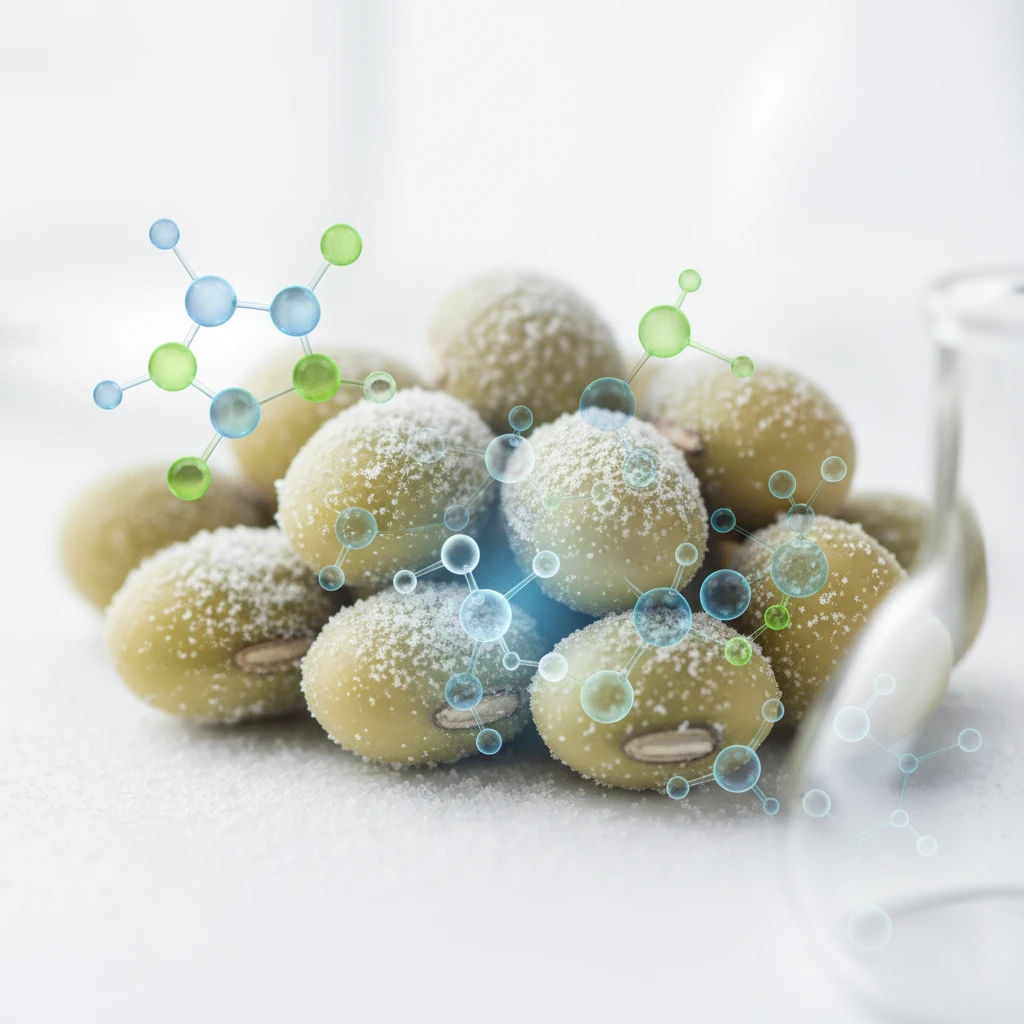
Understanding soy requires looking beyond the macronutrients. We explore the bioactive compounds that make this legume unique. This includes a thorough examination of allergens and intolerances, managing sensitivity, and the truth about antinutrients like phytates. We tackle the complex interactions between soy intake and hormonal health, specifically tailored to the NZ perspective on Soy & Hormones. This pillar is for those who demand to know exactly what is happening at a cellular level.

Culinary Mastery & Fermentation
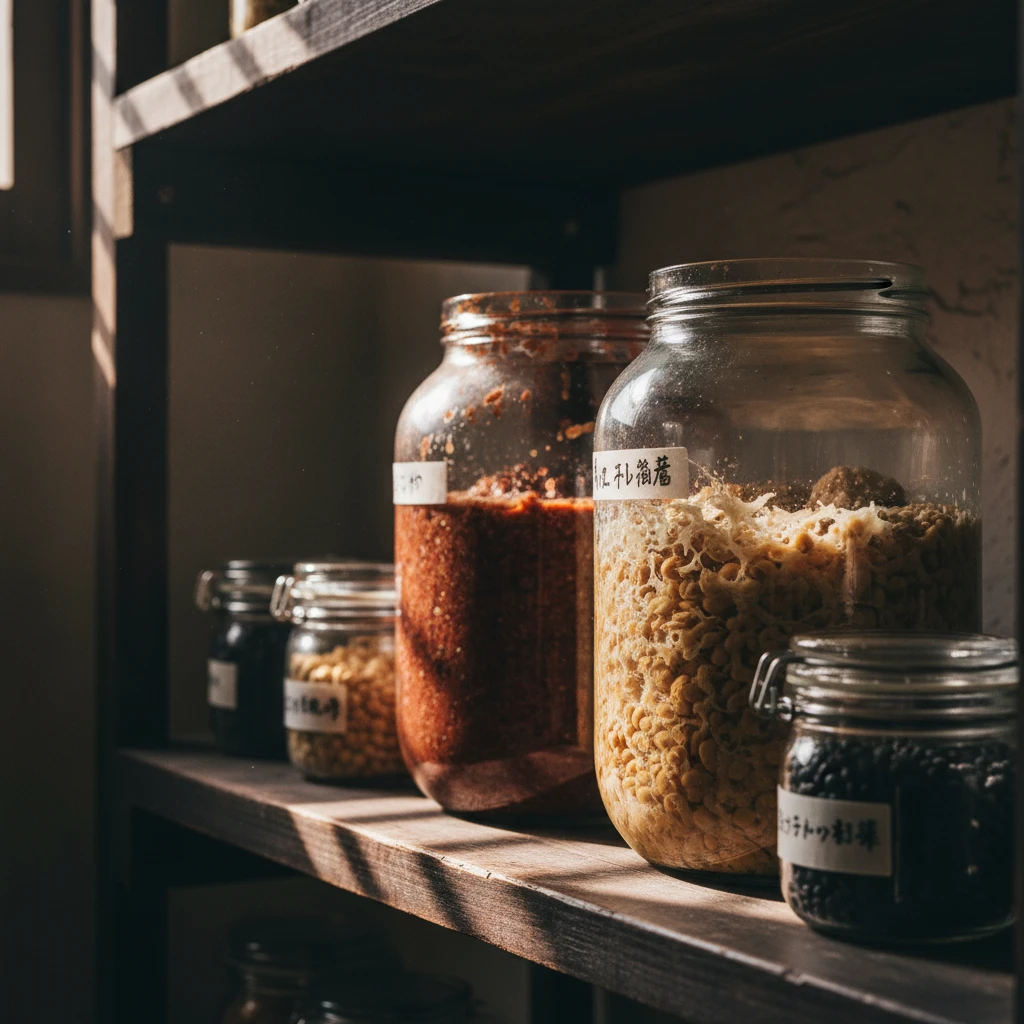
Soy is a chameleon in the kitchen, but it demands technique. We move beyond simple stir-fries into the art of functional fermentation. Learn how to cultivate your own Natto at home, master the pressing and plating of tofu, and understand the deep umami profiles of miso. We provide specific guides for Mastering Soy Cooking & Prep, alongside practical inspiration for Kiwi Home Cooking: Integrating Soy into NZ Recipes, that elevate plant-based dining from a compromise to a culinary event.
Sustainability & Ethics
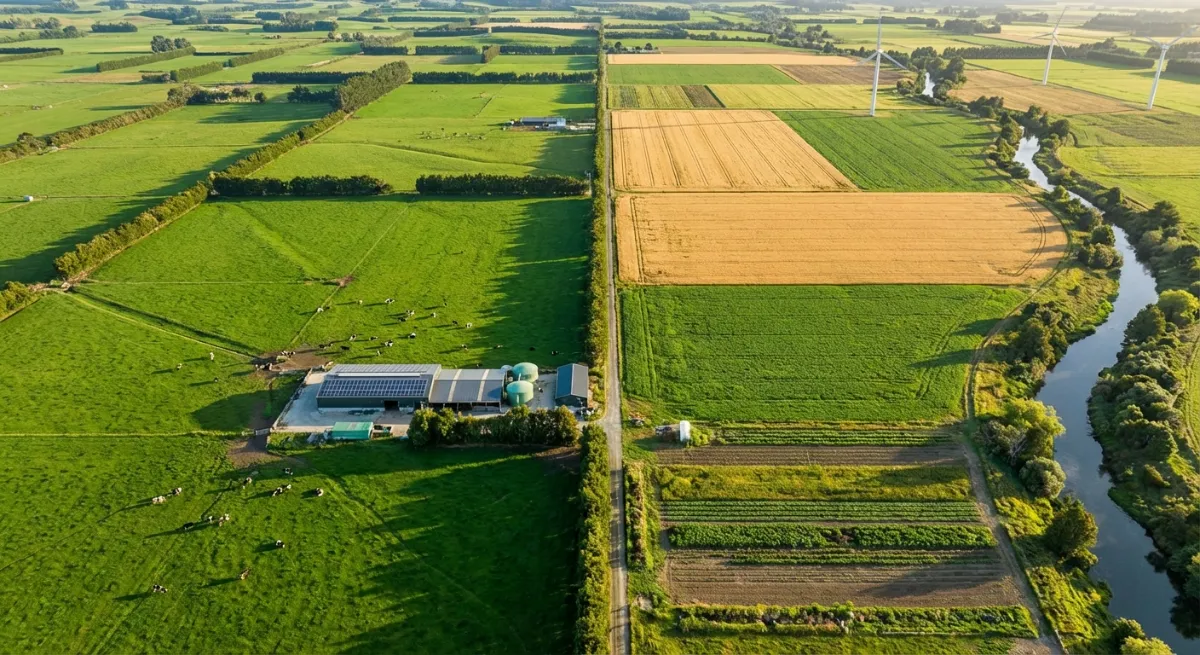
In a nation built on agriculture, the conversation around food production is vital. We conduct a rigorous Carbon Footprint Comparison: Soy vs. Dairy Farming in NZ. We investigate the water footprint wars, deforestation myths, and the role of soy in regenerative agriculture. For the environmentally conscious Kiwi, understanding the supply chain—from the safety of Genetically Modified Soy to local sourcing—is paramount.
Your Journey to Soy Literacy
Understand the Source
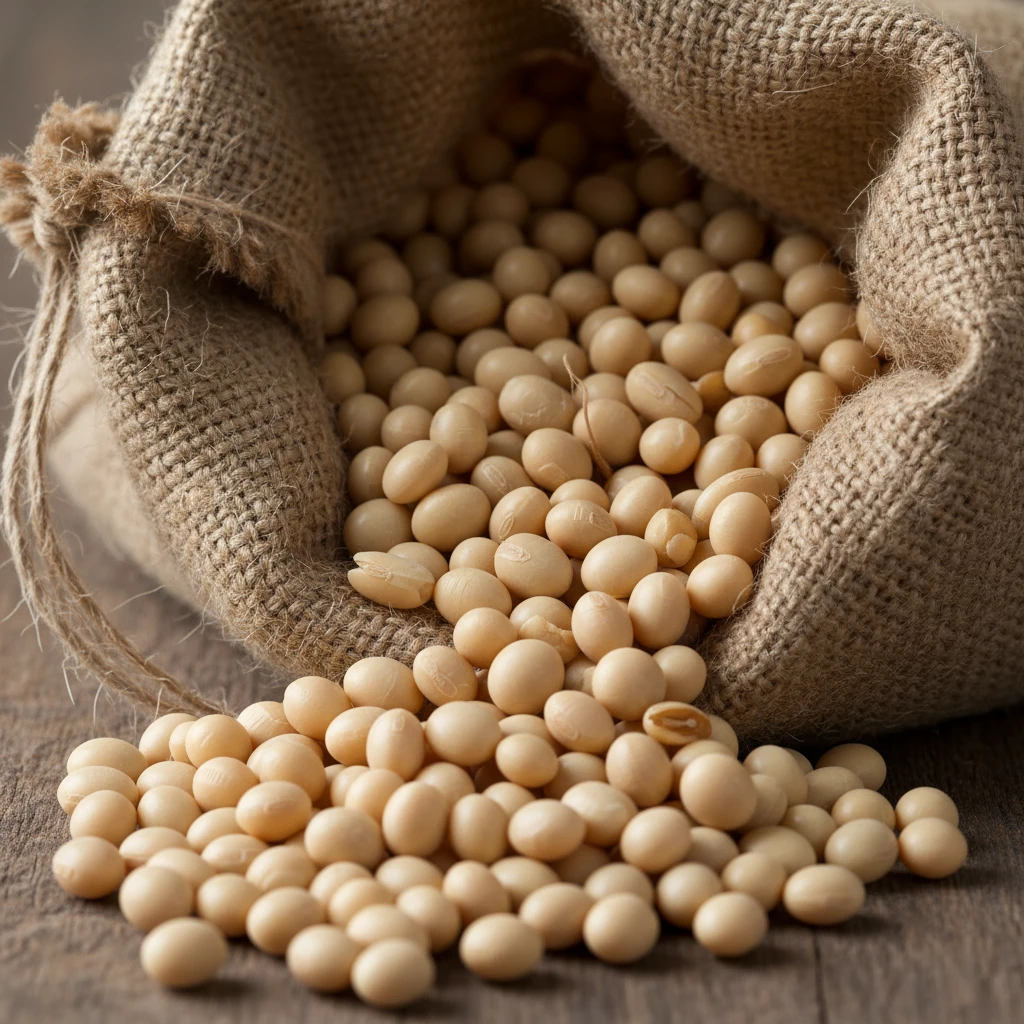
Before you cook, you must understand the bean. Read our guide on Plant Milk Comparisons & Buying Guides to distinguish between marketing fluff and nutritional reality.
Master the Technique
Stop eating bland tofu. Learn the essential prep methods. Our tutorial on Mastering Tofu: Pressing to Plating will change your texture game forever.
Optimize for Health
Tailor your intake to your body’s needs. Whether you are managing Thyroid Function or looking for muscle recovery, apply the science to your meal plan.
Advanced Fermentation
Graduate to the pro level. Explore Advanced Soy Fermentation for NZ Kitchens and start making your own miso and tempeh.
Scientific Inquiries & Common Myths
Does soy consumption affect male hormones or testosterone?
⬇️
Is soy safe for people with thyroid conditions?
⬇️
Does soy cause breast cancer?
⬇️
Is New Zealand soy genetically modified (GMO)?
⬇️
How does soy compare to dairy environmentally?
⬇️
What are antinutrients like Lectins and Phytates?
⬇️
Is soy suitable for babies and children?
⬇️
Can I eat soy on a Keto or Low-FODMAP diet?
⬇️
Ready to Rethink Your Plate?
Whether you are here to debate the biochemistry or just find a recipe that costs less than $5, you have arrived at the source. Join thousands of Kiwis making informed, sustainable choices.